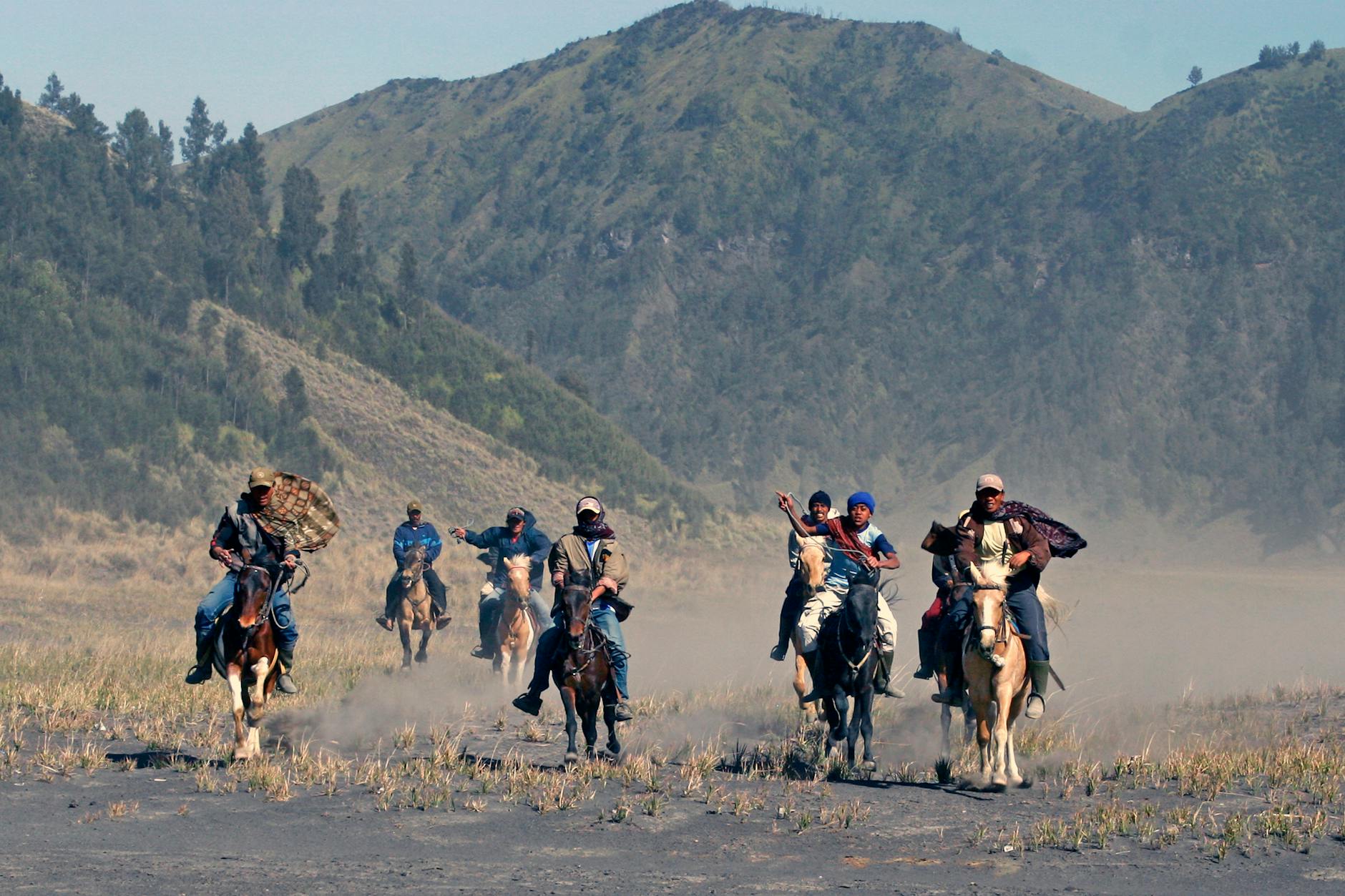
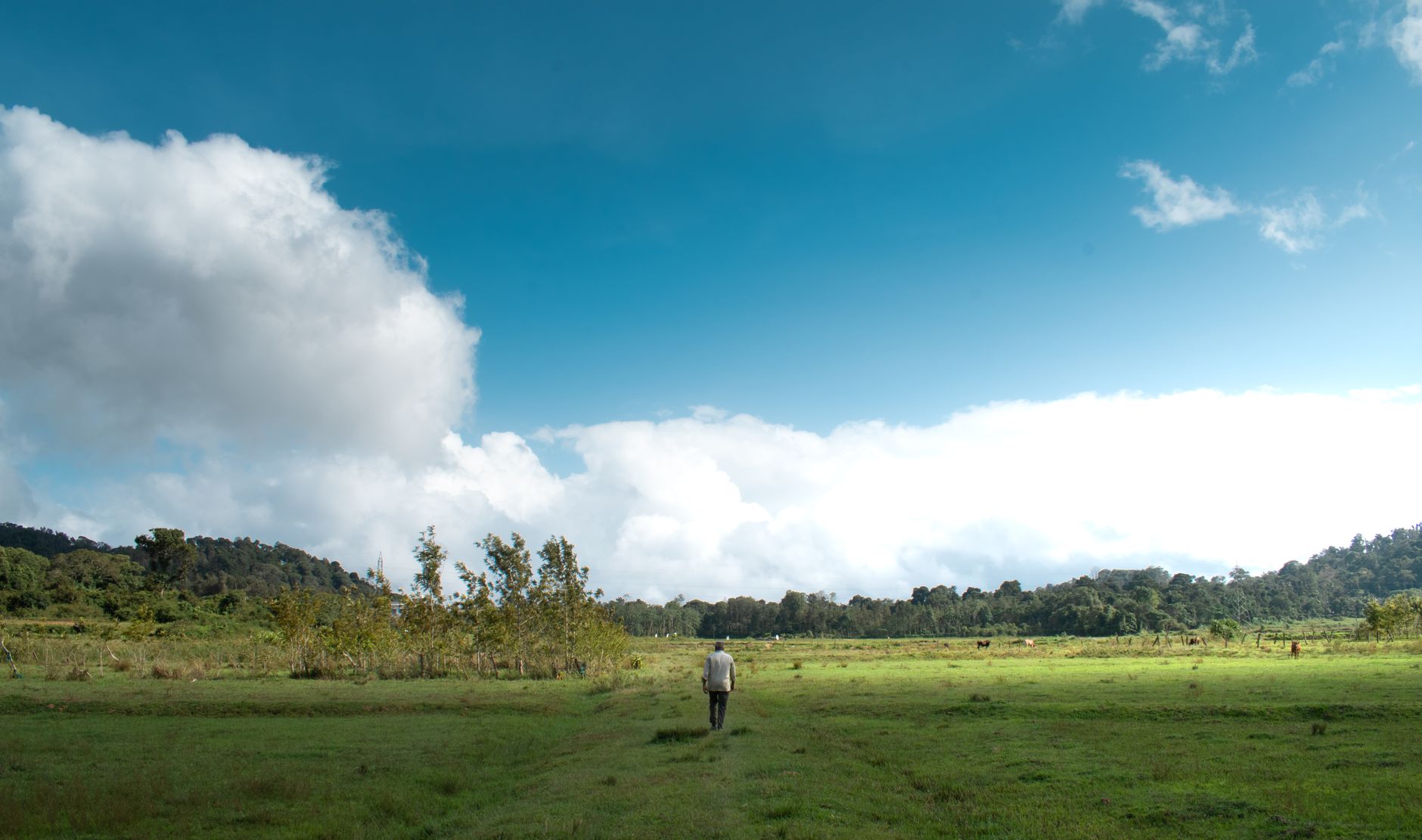
Whether you chase the sun-baked golden grass of the dry months or the vibrant emerald meadows of the rainy season, here is my guide to timing your East Bali trip.
Savana Tianyar has two incredibly distinct personalities, and the "best" time to visit depends entirely on what kind of scenery you want to photograph. Unlike the permanent green rice terraces of southern Ubud, this northern pasture is highly sensitive to the seasons. Sitting directly in the rain shadow of Mount Agung, it experiences severe dry spells and sudden tropical monsoons.
Winston is absolutely indifferent to the seasons. He enjoys rolling in the lush emerald mud of the wet months just as much as he loves chasing windblown leaves in the dry, dust-covered gold fields of August. However, if you want your expensive camera gear to survive the expedition, you will definitely want to plan your trip around the tropical monsoonal shifts.
To capture the iconic "African Savannah" look, you must time your trip during the dry months. If you prefer rolling green hills that look like the Swiss Alps under a volcanic peak, you should aim for the wet season.
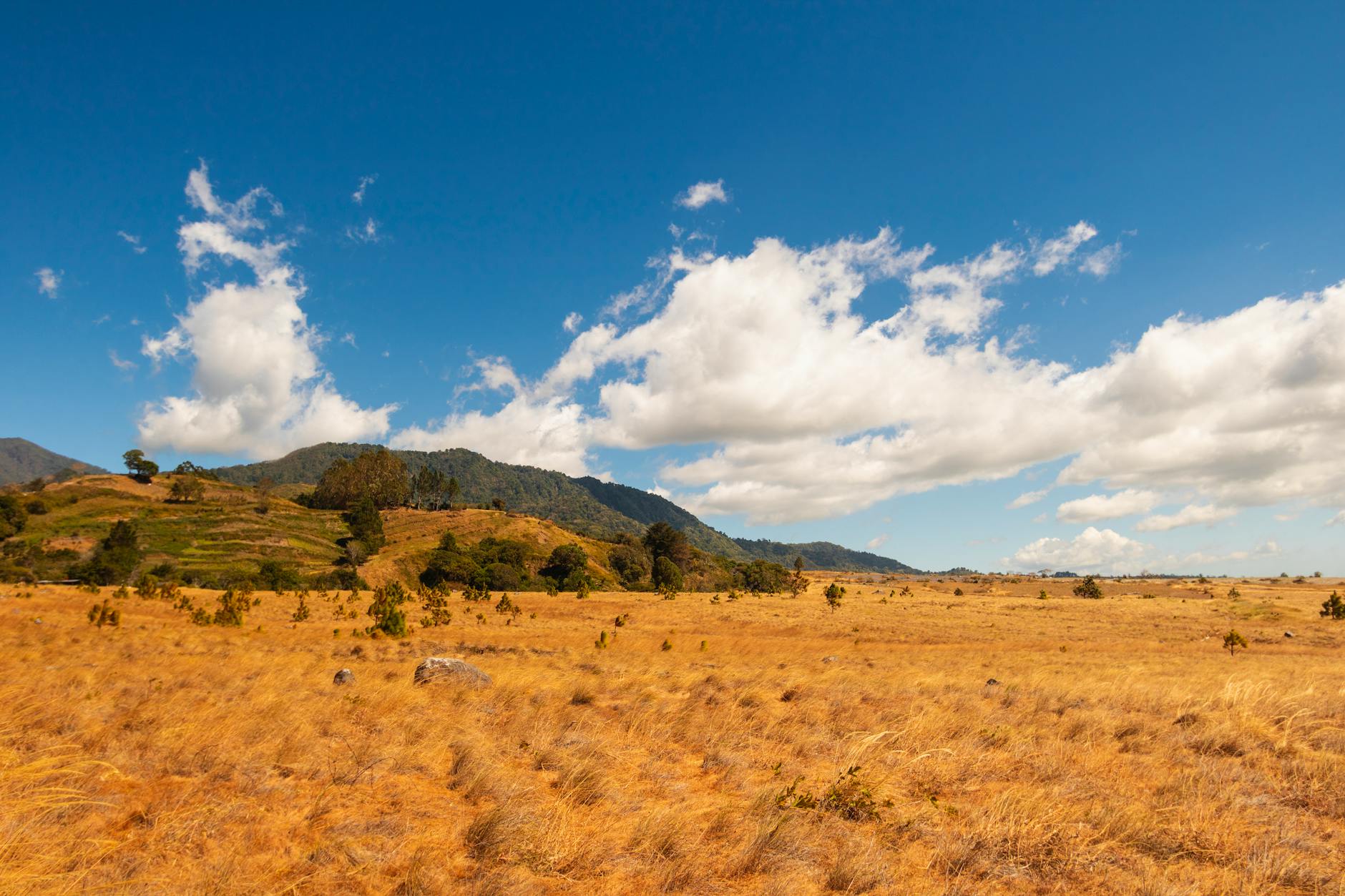
A direct comparison to help you choose the perfect backdrop for your East Bali roadtrip.
This is the classic period that made the savanna famous. As the rains cease, the grass dries out and turns a rich, dusty golden-brown. Grazing horses and cows wander the plains, and the sky remains abslute blue. Mount Agung stands out with complete clarity, free of the heavy rain clouds that obscure the summit during the rest of the year.
Expat Photography Tip: Early morning (6:00 AM – 7:30 AM) offers crisp, cool air and soft pink light behind the volcano. Late afternoon (4:30 PM – 5:30 PM) casts a long, golden glow across the dry stalks, perfect for capturing silhouettes of the horses.
Once the rains return, the parched ground absorbs the water and bursts into life. Within a few weeks, the entire valley turns into a rolling, vibrant green carpet. The landscape feels fresh, clean, and incredibly peaceful. Whilst clouds often wrap around the volcano, the dramatic stormy skies make for spectacular, moody landscape photographs.
Expat Photography Tip: Keep a close eye on the weather radar. The best time to photograph in the wet months is immediately after a heavy morning downpour when the clouds break, revealing the glistening green valley and the misty slopes of Mount Agung.
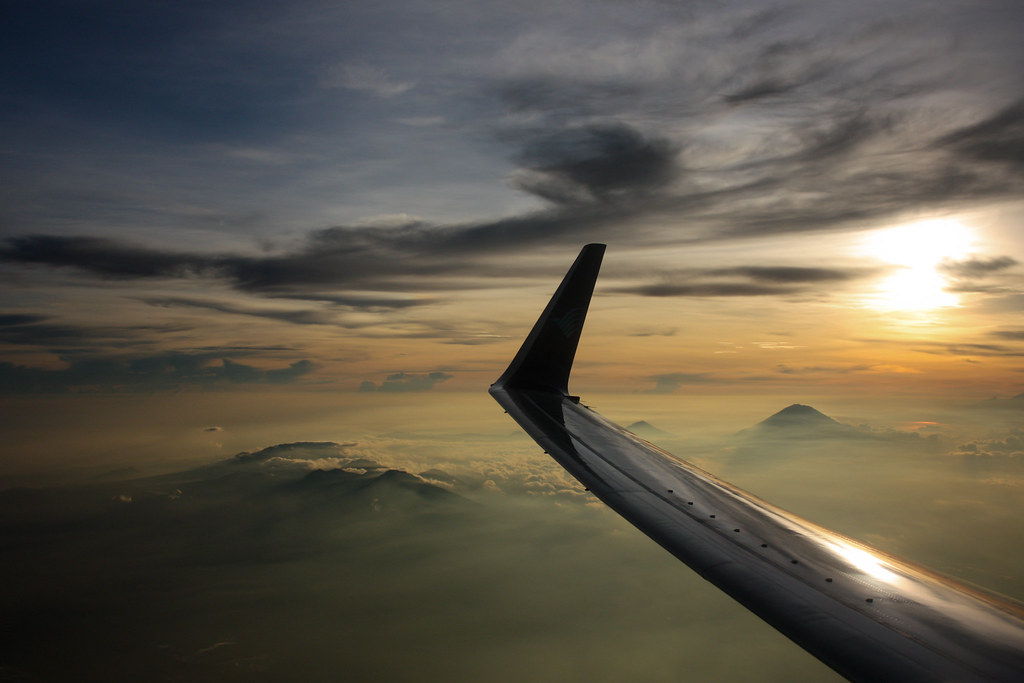
Planning a broader trip to the island? Here is my raw expat analysis of Bali's tourist seasons, flight costs, and monsoonal shifts.
The **best months** to visit Bali are **April, May, September, and October**. These are the shoulder months, offering beautiful dry weather, lower humidity, and significantly fewer crowds than the peak summer season. July and August have excellent, cool breezes but the island gets incredibly busy and hotel rates skyrocket.
The **worst months** are **January and February**. These are the peak monsoon months, characterized by heavy, torrential downpours that can cause local flooding. The ocean currents also dump huge amounts of plastic trash onto the popular southern beaches (like Seminyak and Kuta) during these months, making them highly unpleasant.
**February and November** are the cheapest months to visit. Because these months fall in the low-season rainy periods (excluding the Christmas holiday rush), hotels, private villas, and scooter rentals cut their prices by up to 50%. International flights to Denpasar also drop significantly, often saving you hundreds of dollars.
For example, a round-trip ticket from London that costs IDR 20,000,000 (~$1,250.00 USD) in July can drop to IDR 11,000,000 (~$687.50 USD) in November, making it a brilliant time for budget travellers who don't mind a bit of rain.
I suggest avoiding flights during **late December (Christmas and New Year)** and **July to August**. These are peak travel seasons. Flight prices are extortionate, airport queues are massive, and traffic in Canggu and Ubud is absolutely gridlocked. Additionally, avoid flying during the peak monsoon of **January** if you want to avoid heavy tropical rain and flight delays caused by local storms.
Many visitors ask me if they can "do" Savannah in one day. Whilst you can certainly see Savana Tianyar in a single day trip from Ubud, it is a long, tiring five-hour round drive. I strongly recommend spending three days exploring the raw beauty of East Bali. Here is the exact roadtrip itinerary I take my friends on when they visit:
Drive from Ubud to Amed. Rent a basic beachfront homestay for IDR 300,000 (~$18.75 USD) per night and spend your afternoon snorkeling the Japanese Shipwreck reef. Watch the sunset over Jemeluk Bay with a cold Bintang.
Wake up at 5:00 AM. Drive 35 minutes north to Savana Tianyar for a spectacular sunrise over the golden grass. Watch the local horses graze, and then head south to explore the beautiful stone pools and fountains of the Tirta Gangga Water Palace.
Rise early to visit Pura Lempuyang (the famous Gates of Heaven) before the crowd arrives. Finish your roadtrip by heading inland to Kintamani to enjoy lunch overlooking the massive volcanic caldera of Mount Batur before driving back down south.